Another Hy.PURE® system successfully passes factory acceptance test
Powering infrastructure with hydrogen
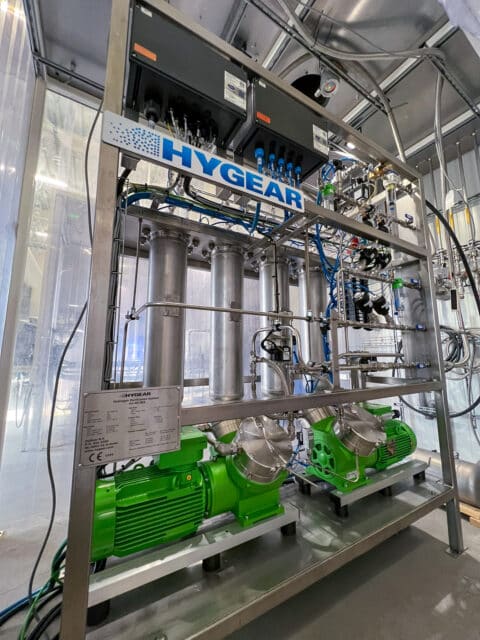
This particular Hy.PURE® system will play a vital role in a much larger installation designed to provide sustainable heat and energy from hydrogen to a hospital. By integrating hydrogen-based energy solutions into critical infrastructure like healthcare facilities, projects like this highlight the growing potential of hydrogen as a clean, dependable energy source for sectors where reliability is absolutely essential.
The people behind the project
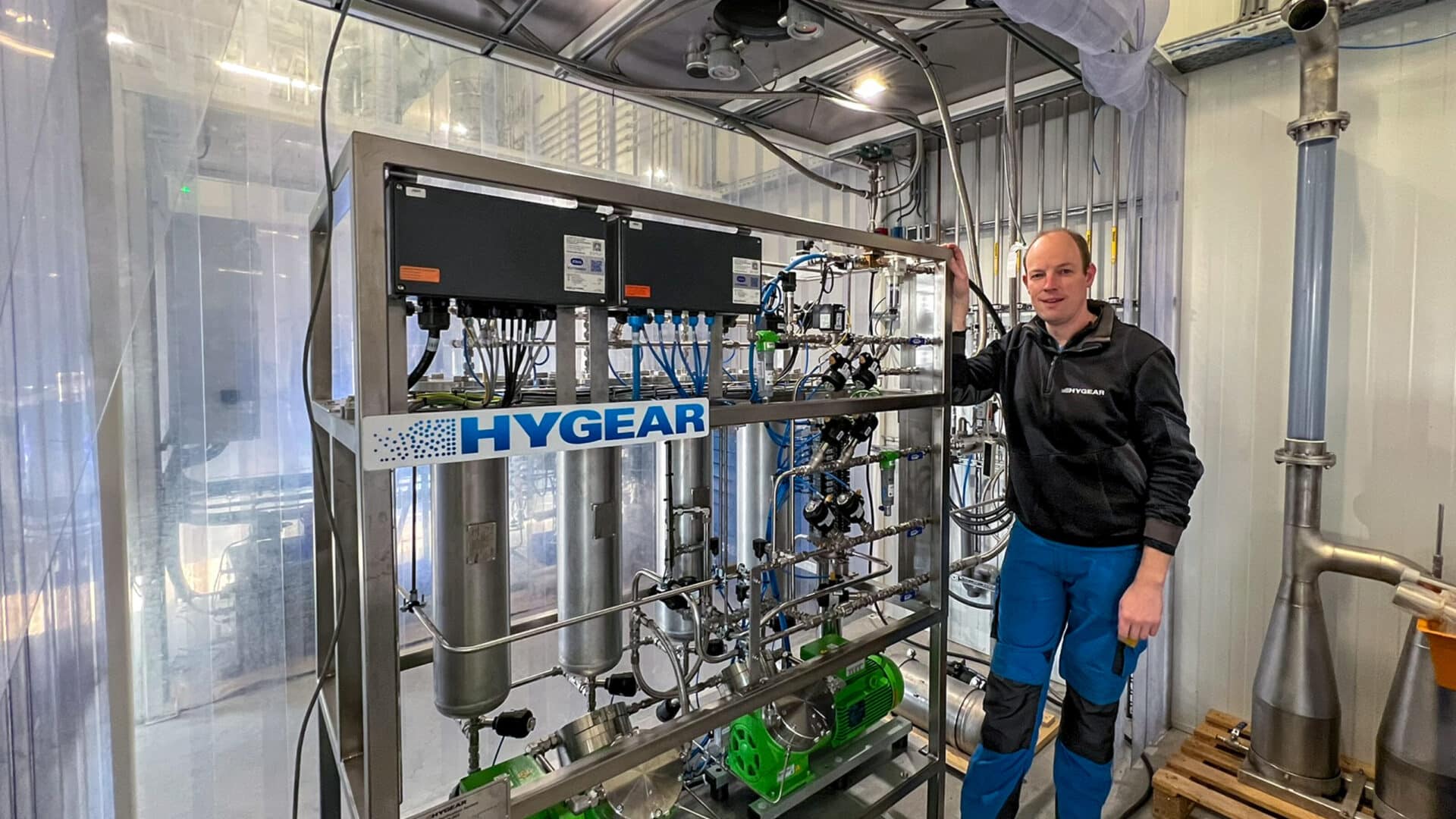
“It’s incredibly rewarding to see a project like this come together,” said Nick, one of our colleagues who worked closely on the system. Nick proudly shared how much he enjoyed being part of the process, from development through to this successful test, a sentiment that reflects the dedication of the entire HyGear team behind every Hy.PURE® system that leaves our facility.
Why the FAT matters
Passing the FAT is a crucial step before any system is shipped and installed on-site. It gives both HyGear and our clients confidence that the system will perform exactly as intended once it becomes operational, reducing risks and ensuring a smooth commissioning process at the final destination.
Hydrogen’s growing role in sustainability
As hydrogen continues to play an increasingly important role in the transition to sustainable energy, projects like this demonstrate how Hy.PURE® systems are helping industries and institutions from hospitals to other critical facilities reduce their environmental footprint while maintaining a stable, reliable energy supply.